2026-11-14 · Robert Ellis
What Jacksonville Homeowners Should Know About Flooding Near The St Johns River
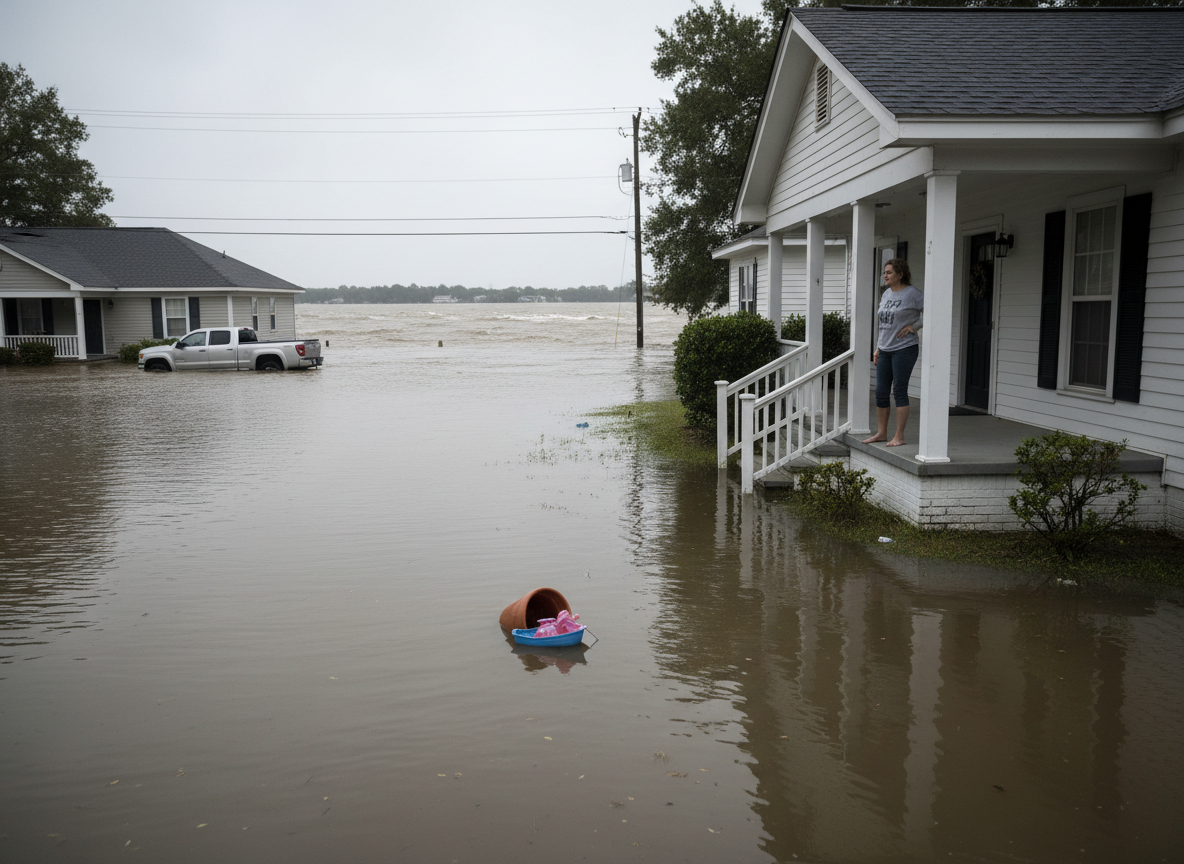
Jacksonville homeowners near the St. Johns River face repeated flood exposure from seasonal rains, king tides, and tropical systems that push water into streets and yards in neighborhoods such as Riverside, San Marco, Avondale, and Springfield. Low elevation along the river combined with the area's mild winters and hot, humid summers creates longer saturation periods that allow water to linger in crawl spaces and foundations.
Flood Patterns Specific to the St. Johns River
The St. Johns River runs through the heart of Duval County and reverses flow with tides, which amplifies backup during heavy downpours. Neighborhoods built on former wetlands or near the riverbanks, including parts of Mandarin and Arlington, see water rise quickly when upstream rainfall exceeds 3 inches in a day. Homeowners in these zones often notice seepage through older brick foundations or slab cracks after prolonged events because the soil stays saturated longer than in higher inland spots.
Nearby cities such as Orange Park, Atlantic Beach, and Neptune Beach share similar riverine and tidal influences that can extend flooding farther inland during major storms. The combination of flat terrain and high water tables means even moderate events can affect garages and lower levels without visible surface water on the street.
How Housing Stock and Terrain Change the Job
Many homes in Springfield and Downtown Jacksonville date to the early 1900s with pier-and-beam construction that allows water to reach wooden joists and subfloors faster than in newer slab-on-grade builds. In contrast, post-1980 homes in Mandarin often have better grading but still suffer when storm drains along the river cannot keep up. The humid subtropical conditions extend drying times, so hidden moisture behind drywall or under flooring can persist for weeks if extraction starts late.
Terrain near the Cummer Museum and along the riverwalk shows repeated sediment movement that clogs French drains and yard swales, directing more water toward foundations. Homeowners who inspect these features after each heavy rain event reduce the chance of repeated intrusion.
Practical Steps Before and During Flood Events
Track river levels through local gauges and prepare sandbags or water barriers when forecasts show 4 inches or more of rain in 24 hours. Clear debris from gutters and downspouts around homes in Avondale and San Marco to keep water moving away from the structure. Elevate stored items in basements or garages at least 12 inches off the floor in flood-prone blocks.
During an event, shut off power at the main panel if water approaches electrical outlets and avoid entering flooded rooms until levels recede. Document water lines on walls with photos for any later insurance or restoration discussions.
Recovery Considerations After Water Recedes
Once floodwaters drop, focus first on removing standing water and wet materials to limit mold growth in the humid climate. Homes near EverBank Field or the Kingsley Plantation area often require targeted drying of hardwood floors and insulation because river sediment leaves behind contaminants. Professional water extraction and drying equipment sized for the square footage prevents secondary damage that can appear weeks later.